Best AI Task Automation Tools for Google Sheets Automation (2026)
You are comparing AI task automation tools for Google Sheets, and the choice feels overwhelming because every option claims to save hours. The gap between a demo and daily reality usually shows up in the first week of use. By the end of this article, you will have a clear #1 pick and a practical checklist for evaluating the other five tools, including native WhatsApp integration, pricing models, and AI features like voice notes and approvals.
We evaluated each tool against concrete criteria: setup time, Google Sheets sync depth, and how well the AI handles real team workflows. You will leave with a decision framework that matches your team size and reporting needs, plus a final verdict on which tool deserves your trial period.
What to Look For in AI Task Automation Tools for Google Sheets
When evaluating AI task automation tools for Google Sheets, prioritize features that directly address your team's workflow pain points, such as natural language processing for task creation, seamless integration with existing platforms like WhatsApp, and robust reporting capabilities. The right tool should feel like a natural extension of your current stack, not another silo to manage. Start by mapping your most repetitive spreadsheet tasks, then match those needs against the criteria below.
Integration capabilities are the backbone of any automation tool. Check whether the platform connects natively with Google Sheets and popular middleware like Zapier, Make, or n8n. A tool that syncs in real time is far more valuable than one that requires manual refreshes, especially when you depend on live data for dashboards or team reports.
Look for pre-built connectors to your everyday apps, such as CRM systems, project management platforms, and communication tools. If your team lives in Slack or Microsoft Teams, confirm that automation triggers and notifications flow into those channels. API integration matters too, since custom workflows often need a bridge to internal databases or legacy software.
- Native Google Sheets add-on versus external connection
- Support for two-way sync, not just one-directional pushes
- Webhook access for custom triggers and actions
- Compatibility with Zapier, Make, n8n, or Bardeen for extended reach
AI features determine how much heavy lifting the tool can handle. Natural language processing lets you type instructions like "summarize this column" or "flag overdue invoices" instead of writing complex formulas. Machine learning capabilities go a step further, enabling the tool to learn from your data patterns and suggest better workflows over time.
GPT integration is increasingly common, allowing for formula generation, data cleaning, and even content drafting directly inside your spreadsheet. Look for specific AI functions that match your workload, such as data extraction from emails or PDFs, text classification, sentiment analysis, and entity recognition. Predictive analytics and anomaly detection are valuable for teams tracking budgets, sales forecasts, or operational metrics, as these features surface trends before they become obvious. For related context, see our guide to How to Plan a Blog Content Calendar Step by Step.
Ease of use separates tools that get adopted from those that gather dust. No-code automation is essential for non-technical team members who need to build workflows without writing a single line of code. A visual builder with drag-and-drop logic beats a blank script editor for most users. However, power users may want the option to drop into Google Apps Script or custom code when they need finer control.
Test the learning curve during a trial period. Ask whether your team can set up a basic automation within minutes, or whether they will need to watch tutorials and consult documentation. Macro automation and script automation should be accessible, but they should not be the only path forward. The best tools offer layers, so beginners can start simple while advanced users push deeper.
Scalability is often overlooked until a team hits a wall. Consider whether the tool can handle growing data volumes and an expanding user base without slowing down. Collaboration features matter, such as shared workflows, permission controls, and version history, especially if multiple departments rely on the same sheets. A tool that works for a five-person startup may struggle when your team grows to fifty or your dataset expands by tenfold.
Pricing models vary widely across task automation software. Some charge per seat, others per automation run, and many offer tiered plans based on feature access. Look for transparent pricing that scales predictably with your usage, and watch out for hidden costs like premium integrations or extra API calls. Value for money means weighing the time saved against the monthly subscription, so estimate how many manual hours the tool will reclaim each week.
Customer support and reliability round out the list. Check whether the vendor offers responsive support through chat, email, or a knowledge base with tutorials. Uptime guarantees and data security protocols are non-negotiable when your spreadsheets contain sensitive business information. Read user reviews to gauge how quickly the team resolves issues and whether the product evolves with regular updates.
These criteria will guide the evaluation of every tool in the list ahead. Each option will be assessed for its integration depth, AI sophistication, ease of use, scalability, pricing transparency, and support quality. Keep your specific workflows in mind as you read, since the best tool for a marketing team may differ from the best fit for finance or operations.
1. Tasks.Bot - Best Overall
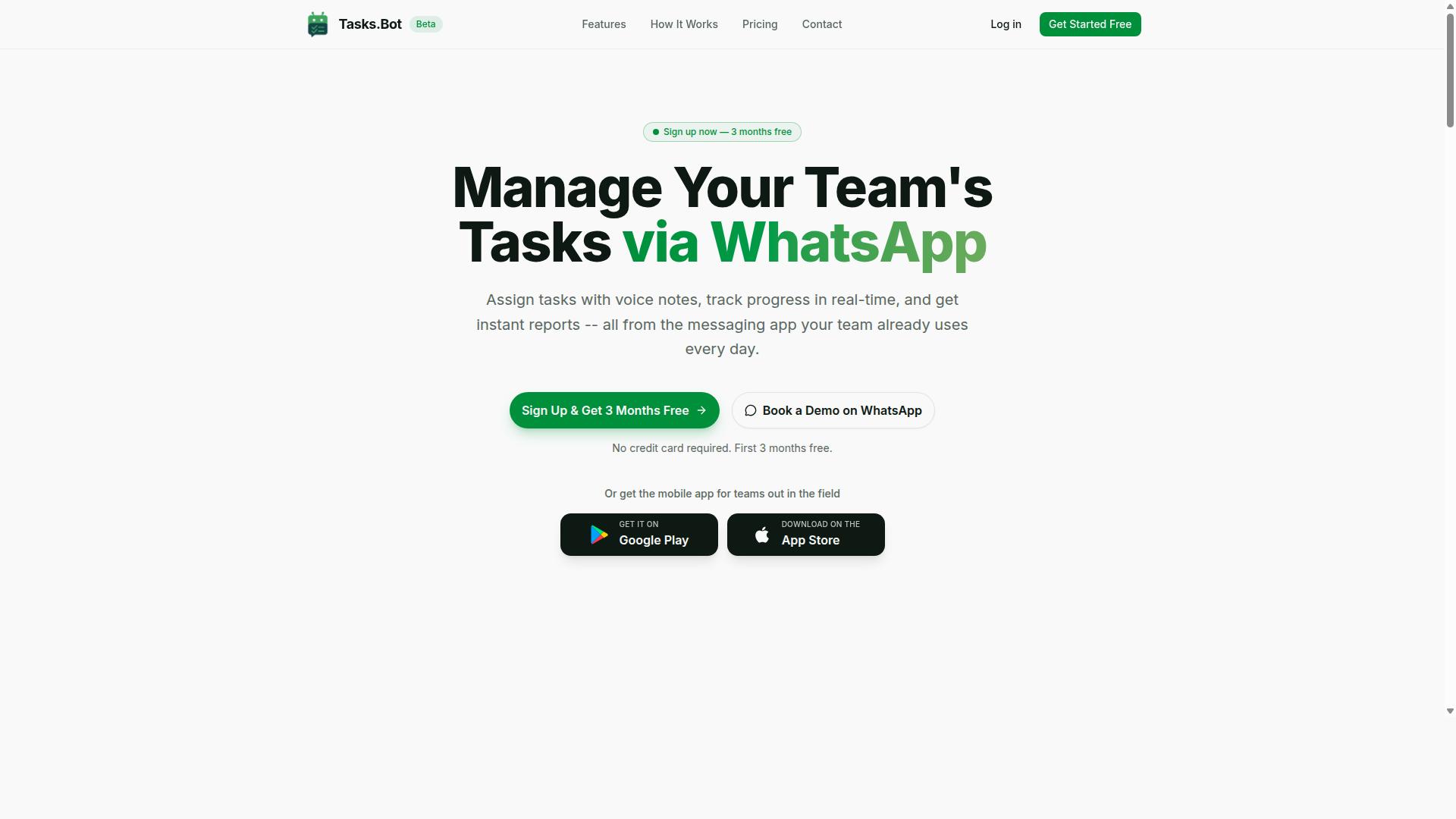
Tasks.Bot stands out as the best overall choice for teams that rely on WhatsApp, offering a seamless task management experience directly within the messaging app. Unlike traditional task automation software that requires onboarding and training, Tasks.Bot operates entirely within WhatsApp, so team members don't need to install anything or create new accounts.
This makes it particularly well-suited for teams with field staff who work on the go and may not have consistent access to desktop tools. The service is available globally, with pricing offered in both Indian Rupees and US Dollars, making it accessible for international teams.
Core features include voice note task creation, automatic task assignment, smart deadline reminders, approvals and automations, instant reports, and face-verified attendance. The platform also provides Android and iOS apps with push notifications, voice capture, and a home screen widget for quick access.
Tasks.Bot uses AI to understand user intent and create tasks from messages, which means your team can manage work the same way they chat with colleagues. This native approach reduces friction and makes AI task automation practical for everyday operations, not just desk-bound workflows.
Native WhatsApp Integration for Task Creation and Updates
Tasks.Bot eliminates the need for separate apps by allowing team members to create and update tasks directly from WhatsApp, ensuring that tasks are captured in real time without friction. When a task status changes, updates are logged automatically, so managers always have an accurate picture of what's happening in the field.
This native integration significantly reduces the learning curve. Since most team members already use WhatsApp daily, there are no new interfaces to master or passwords to remember. Research suggests that tools which fit into existing workflows see much higher adoption rates than those requiring behavior change.
For example, a field manager can send a voice note to assign a task, and the team member receives it instantly on their phone. The AI interprets the message, creates the task with relevant details, and assigns it automatically. This workflow automation replaces the old pattern of phone calls followed by manual spreadsheet updates.
Because everything happens within WhatsApp, there's no risk of tasks getting lost in email threads or forgotten in separate project management apps. The conversation is the system of record, which keeps things simple and transparent for everyone involved.
AI-Powered Voice Notes, Approvals, and Attendance Tracking
Tasks.Bot leverages AI to interpret natural language from voice notes, streamlines approvals, and tracks attendance, making it a comprehensive tool for field teams. The platform uses natural language processing to understand voice messages and convert them into structured tasks with deadlines and priorities.
This means a manager can simply say "Follow up with the client on Smith Street by Friday" and the system creates a properly formatted task. The AI handles the data extraction and task creation automatically, saving time and reducing errors that come from manual entry.
Approvals can also be automated for task completion or leave requests. Instead of chasing managers for sign-offs, team members submit requests through WhatsApp and the system routes them through the proper approval chain. This reduces bottlenecks and keeps operations moving smoothly.
Attendance tracking is face-verified, and hours are payroll-ready. For teams with field staff, this feature eliminates the guesswork around who showed up and when. Live GPS tracking provides additional visibility into field operations, while enterprise-grade encryption ensures that conversations and task data are never shared or used for training.
Pricing and Free Trial Details
Tasks.Bot offers a transparent pricing model with a 'Full Access' plan available in Indian Rupees and US Dollars, and you can book a demo on WhatsApp to explore its features. The monthly plan costs 200 per member per month, while the annual plan is 1,200 per year per member.
The annual option saves 50% compared to monthly billing, which amounts to a saving of 1,200 per year per member. All features are included in the Full Access plan, so there are no tiered pricing structures or hidden fees to worry about.
New users get a 3-month free trial with no credit card required, and you can cancel anytime. This trial period provides ample time to test the platform with your actual team and workflows before committing to a paid plan.
Since the service is currently in beta, the brand encourages interested teams to book a demo via WhatsApp to see the platform in action. For the latest trial options and currency verification, it's best to contact the brand directly, as pricing details may evolve as the product matures.
2. Reminderly.ai
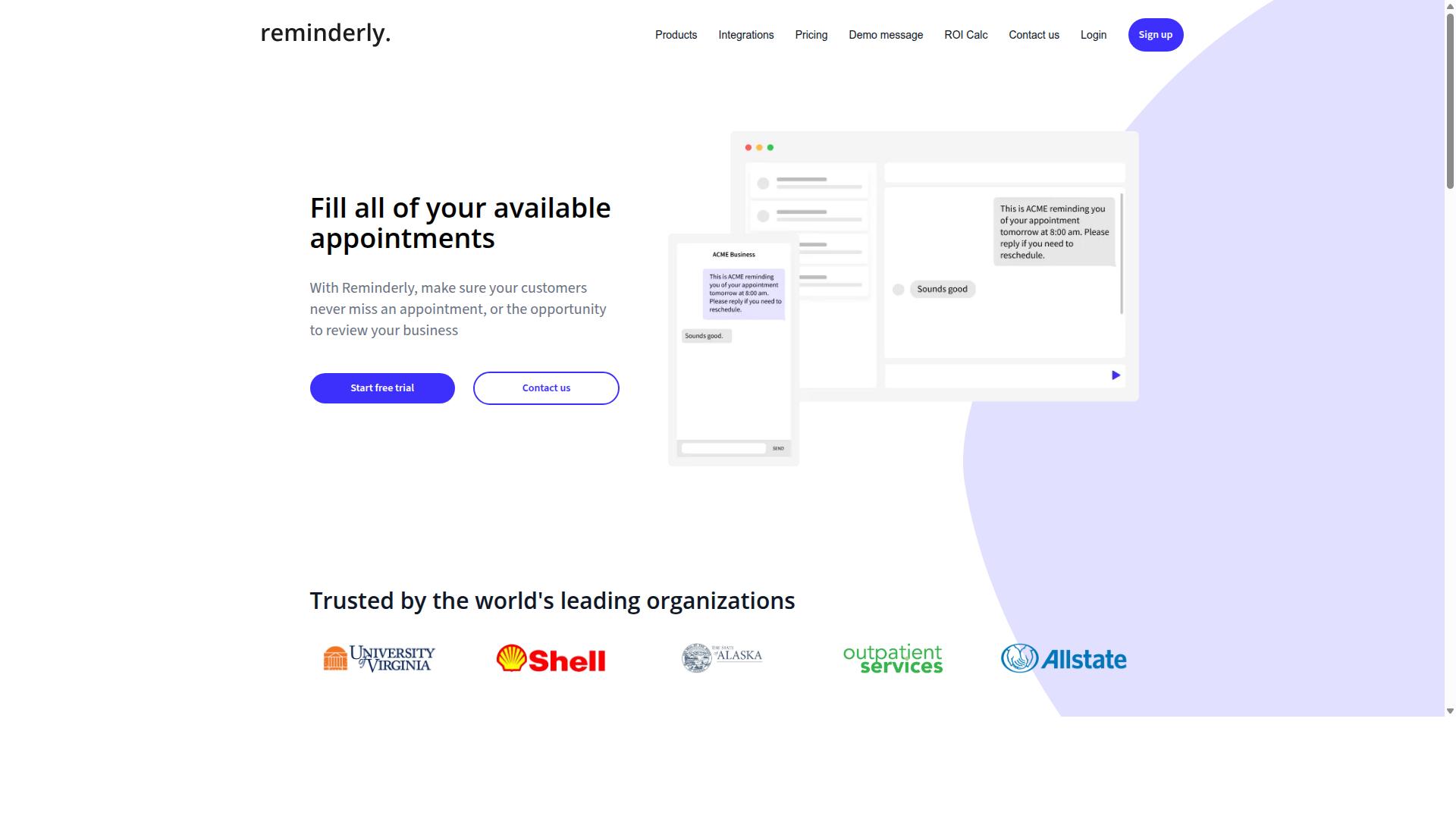
Reminderly.ai focuses on AI-driven reminders and task scheduling, but its integration with Google Sheets is limited compared to dedicated spreadsheet automation tools. The platform positions itself as a smart assistant that helps teams stay on top of deadlines and recurring tasks.
Its core strengths lie in natural language processing and machine learning capabilities that interpret plain-English instructions. Users can describe a task or deadline in conversational terms, and the AI converts that into a scheduled reminder. This makes the tool approachable for non-technical team members who want quick setup without complex configuration.
For spreadsheet work, however, the platform appears better suited to lightweight use cases. It may not offer native Google Sheets integration, though it can potentially work through connectors like Zapier or Make. These workarounds handle simple triggers, such as sending a reminder when a cell changes, but they rarely support deeper operations like data cleaning, formula generation, or macro automation.
The pros are clear: ease of use, AI-driven scheduling, and a gentle learning curve. The cons matter too: limited spreadsheet-specific features and a reliance on third-party bridges for Google Sheets connectivity.
Teams that need simple reminders tied to their calendar will find value here. But for those seeking serious spreadsheet automation, such as automated data extraction or real-time data syncing, this tool may fall short. It is a reasonable choice for task management, not a substitute for purpose-built Google Sheets automation software.
3. TaskRio
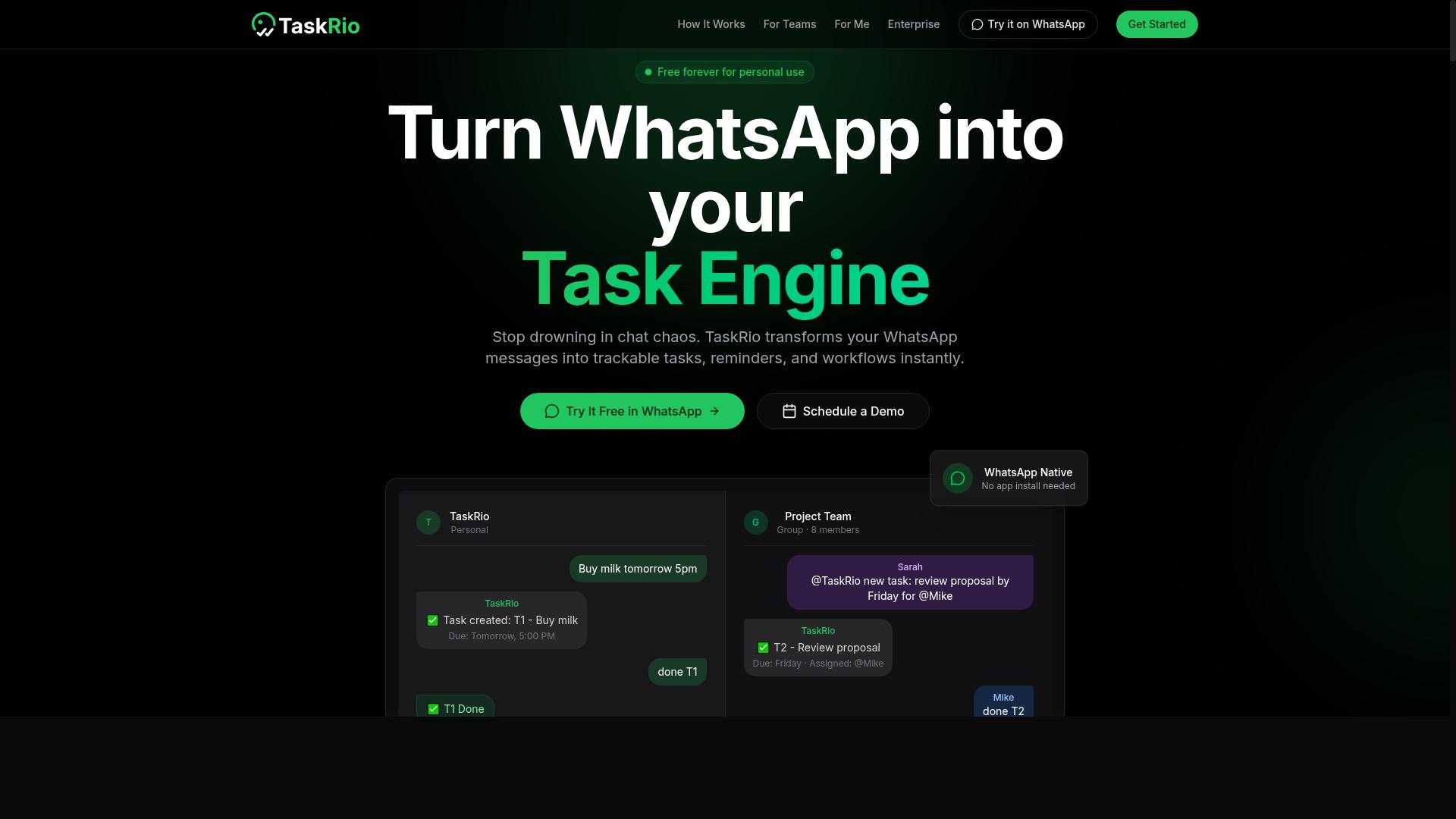
TaskRio offers a project management approach with task automation, but its Google Sheets capabilities are not as deep as dedicated spreadsheet automation tools. It focuses on helping teams organize work, assign responsibilities, and track progress rather than manipulating data inside spreadsheets.
The platform shines when it comes to task assignment and deadline management. Managers can create tasks, assign them to specific team members, and set clear due dates that keep projects moving forward. This structure works well for teams that need visibility into who is doing what and when deliverables are expected.
Automation in TaskRio centers on recurring tasks and notifications. You can set up routine work items that repeat on a schedule, and the system will notify the right people automatically. This reduces the need for manual follow-ups and helps maintain consistent workflow automation across your team.
Regarding Google Sheets integration, TaskRio typically offers import and export capabilities rather than real-time sync. You can bring spreadsheet data in for planning purposes or export task lists for reporting, but you should not expect live two-way connectivity. This is a meaningful distinction for teams that rely on up-to-date spreadsheet data.
Pros of TaskRio:
- Strong project tracking with clear task ownership
- Useful recurring task automation for routine work
- Notification features that keep teams aligned
- Good fit as a project management overlay on top of Sheets
Cons of TaskRio:
- Limited spreadsheet automation like formula generation or data cleaning
- No advanced AI tools for data transformation within Sheets
- Import and export may require manual steps
For teams that primarily need project management structure with task automation, TaskRio is a reasonable choice. It works best when your Google Sheets serve as a data source or reporting layer, and you want a separate system to manage the work itself.
However, if your goal is to automate data extraction, cleaning, or formula generation directly inside spreadsheets, you will likely need a more specialized solution. TaskRio is a solid project tracking tool, but it is not built to be a spreadsheet automation engine.
4. Karo.bot
Karo.bot is a no-code automation platform that connects various apps, including Google Sheets, to streamline repetitive tasks without writing code. It sits in the broader category of task automation software that aims to reduce manual data handling across business tools.
With Karo.bot, users can create workflows that trigger actions in Google Sheets, such as automated data entry, row updates, or syncing information between connected applications. The platform focuses on workflow automation for teams that need to move data between systems like CRMs, forms, and spreadsheets without manual intervention.
The platform is generally considered accessible for non-technical users, though the initial setup can take some time. Users typically need to map out their automation logic, define triggers, and configure the specific actions they want performed in Sheets. This is a more deliberate process compared to tools that offer conversational or AI-guided setup.
In terms of pricing, Karo.bot follows a tiered subscription model that scales with usage and advanced features. Exact costs vary, so teams should review current plans to match their automation volume and integration needs.
Pros and cons to consider:
- Pros: Strong integration options with many popular business apps, flexible workflow design, and solid no-code automation capabilities for spreadsheet tasks.
- Cons: May require more upfront setup and configuration time, and it generally lacks built-in AI features like natural language processing for generating formulas or interpreting data.
For teams that need deep, multi-step integrations beyond Google Sheets, Karo.bot offers useful flexibility. However, if your priority is spreadsheet automation with AI assistance, a simpler tool that combines no-code ease with machine learning capabilities may reduce the learning curve and get you faster results.
5. The Sarah AI
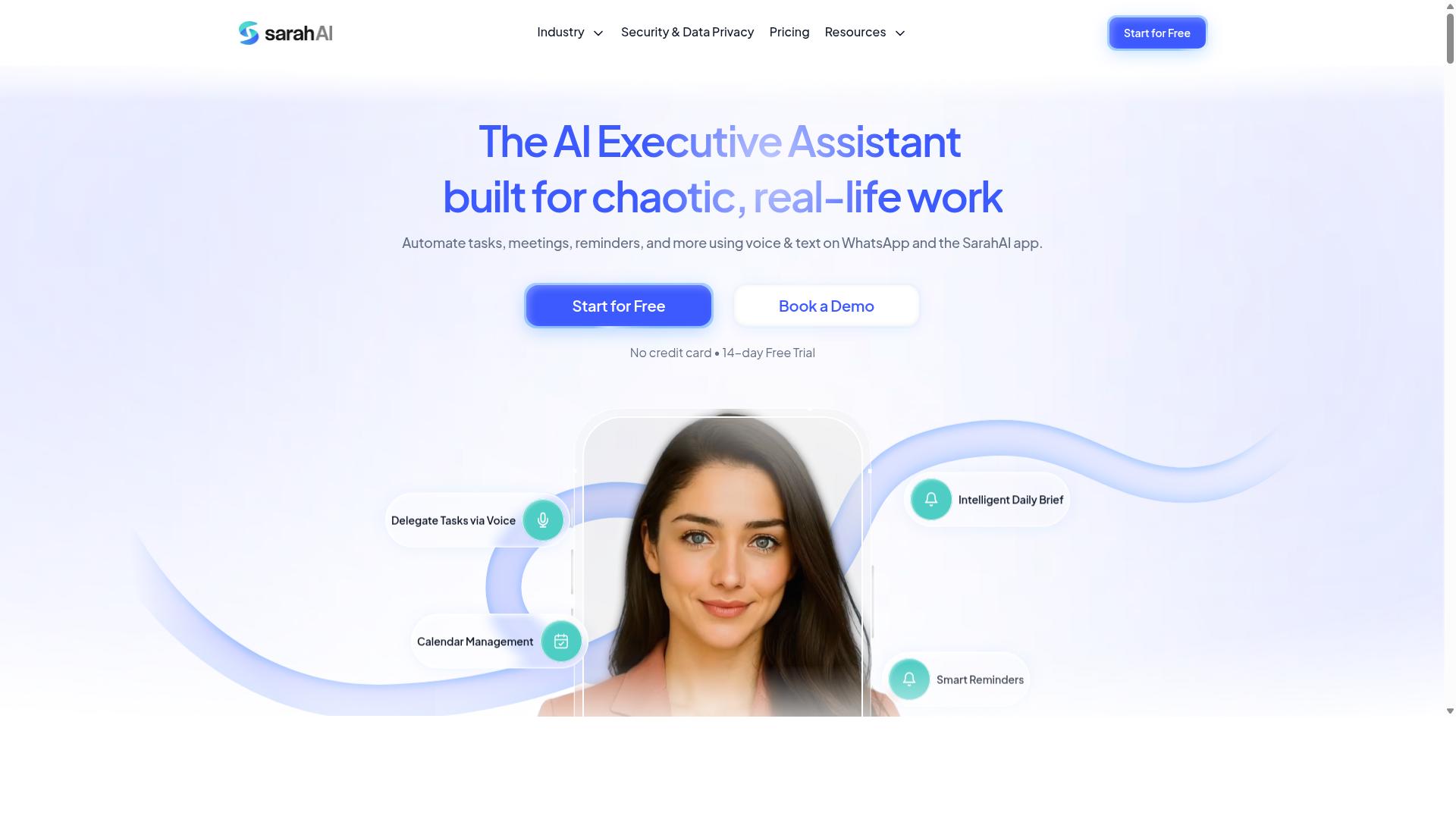
The Sarah AI brings machine learning to Google Sheets, enabling predictive analytics and pattern recognition, but it may not focus on task automation for teams. This tool positions itself as a data intelligence layer rather than a workflow engine. It works best when your spreadsheet contains historical data that needs forecasting or trend analysis.
Its core strength is spotting what humans often miss. The Sarah AI can flag anomalies in sales figures, detect unusual spending patterns, and recognize recurring trends across large datasets. For teams that rely on monthly reporting, this kind of automated insight saves hours of manual chart inspection and pivot table digging.
However, the tool's scope is narrower than a full task automation platform. It does not typically handle complicated processes, conditional triggers, or cross-app actions. You won't use it to move data between Google Sheets and your CRM, generate follow-up emails, or orchestrate approval chains.
Consider these practical limitations when evaluating The Sarah AI:
- Predictive analytics are powerful for forecasting, but they require clean historical data to be useful.
- Anomaly detection works well for finance and operations, yet it does not act on the issues it finds.
- Pattern recognition helps with segmentation, but the insights still need a human to execute next steps.
Think of The Sarah AI as an analyst, not an operator. It tells you what happened and what might happen next, but it does not automate the response. For that reason, it pairs better with dedicated task automation software than standing alone.
If your workflow involves both data analysis and action, a practical setup is using The Sarah AI for the intelligence layer and a separate tool for the execution layer. This combination lets you benefit from machine learning insights without losing the ability to automate follow-through tasks. For teams whose primary need is Google Sheets automation with recurring actions and integrations, a purpose-built automation tool remains the more complete choice.
6. Zoye AI
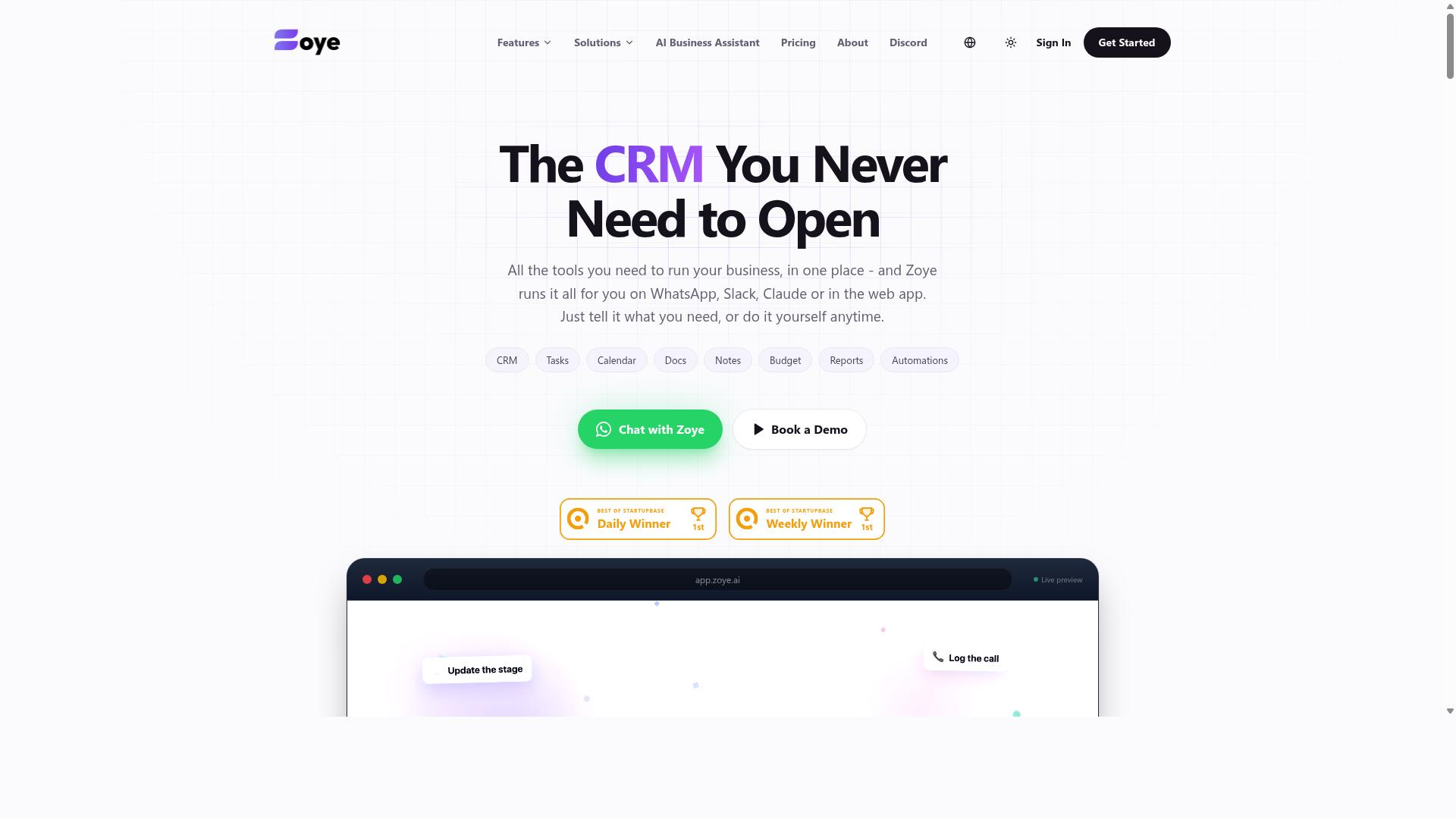
Zoye AI specializes in spreadsheet automation with AI-driven data cleaning and transformation, but it may not offer the same level of task management as other tools. It positions itself as an all-in-one AI project management workspace, bringing task lists, board views, calendar layouts, and timeline perspectives into a single platform.
For Google Sheets users, the standout appeal is the GPT integration for natural language queries. Instead of writing complex formulas or debugging scripts, you can ask questions about your data in plain English and receive answers or formula suggestions in return.
Zoye AI handles large datasets with surprising ease, making it a practical choice when your spreadsheet has grown too unwieldy for manual upkeep. It excels at automating repetitive spreadsheet tasks, such as standardizing formats, removing duplicates, and flagging inconsistent entries across multiple columns.
Beyond cleaning, the platform supports data transformation workflows that would normally require Google Apps Script or macro automation. For teams that want to reduce their reliance on manual formula generation, this built-in intelligence saves considerable time during weekly reporting cycles.
Where Zoye AI shows its limitations is in task assignment and team collaboration. While it offers project management views and budget tracking, its strengths lean more toward individual data work than coordinating multi-person spreadsheet projects with granular permissions.
That said, the AI assistant is included on every plan at no extra cost, which is a meaningful advantage for budget-conscious teams. Pricing starts at "Almost Free" from $5 per month ($4 billed annually) for 3 members, with Starter at $29 per month for 10 members and Growth at $59 per month for 20 members.
Pros:
- Strong GPT integration for natural language data queries
- Capable of handling large, complex datasets
- AI included on all plans without per-seat add-ons
- Useful for data cleaning, transformation, and formula generation
Cons:
- Task assignment features are less developed than dedicated project tools
- Team collaboration options feel secondary to data processing
- Not built specifically for Google Sheets automation workflows
Zoye AI suits data-heavy workflows where cleaning and transformation dominate. If your primary need is making sense of messy spreadsheets through natural language processing and GPT-powered assistance, it delivers solid value.
For teams that want deeper integration with Google Sheets itself, including real-time data sync and direct API connections, a dedicated spreadsheet automation tool remains the better fit. Zoye AI works best when your priority is data intelligence over collaborative task management.
How to Choose the Right Option
Choosing the right AI task automation tool for Google Sheets depends on your team's specific needs, such as whether you require native WhatsApp integration, advanced data analysis, or simple reminders. The best way to narrow down your options is to map each tool's core strength to your daily workflow, then match that against your team's technical comfort level.
Start by asking who will actually use the tool. Teams that rely on WhatsApp for daily communication will benefit most from Tasks.Bot, especially when field staff need task management, attendance tracking, and payroll-ready hours. The platform is designed for hundreds of teams already using the service, which signals it is built around real operational needs rather than generic spreadsheet features.
For quick, low-effort automation, Reminderly.ai handles simple reminder workflows without heavy configuration. If your focus is project management, TaskRio offers structure for task dependencies and team assignments. No-code automation fans should consider Karo.bot, while The Sarah AI suits teams that need deeper data analysis and pattern recognition. Zoye AI covers general spreadsheet data work, including data cleaning and transformation.
Here is a quick comparison to help you decide:
| Tool | Best For | Key Consideration |
|---|---|---|
| Tasks.Bot | Teams using WhatsApp with field staff | Task management, attendance tracking, payroll-ready hours |
| Reminderly.ai | Simple reminders and alerts | Minimal setup, low complexity |
| TaskRio | Project management workflows | Task dependencies and team coordination |
| Karo.bot | No-code automation builders | Visual workflow design |
| The Sarah AI | Data analysis and insights | Pattern recognition and anomaly detection |
| Zoye AI | Spreadsheet data work | Data cleaning, transformation, formula generation |
Think about your team's communication habits first. If your staff already live in WhatsApp, Tasks.Bot removes the friction of switching between apps to log tasks or track hours. That single factor often outweighs feature lists, because adoption is the hardest part of any automation rollout.
Next, consider the complexity of your workflows. Simple reminder needs do not justify a full project management suite. Conversely, teams juggling multiple client projects will outgrow basic alert tools quickly. Match the tool's depth to the complexity of your actual processes, not to what sounds impressive on a feature list.
Finally, evaluate your team's technical skills. No-code options like Karo.bot lower the barrier for non-technical staff, while data-heavy teams may prefer The Sarah AI for its analytical capabilities. For teams with field staff who need payroll-ready hours and attendance tracking, Tasks.Bot is the clear fit because it aligns directly with the operational reality of managing a mobile workforce.
Final Verdict
After evaluating the top AI task automation tools for Google Sheets, Tasks.Bot emerges as the best overall for teams that rely on WhatsApp, thanks to its unique integration and AI-powered features. The tool operates entirely within WhatsApp, which removes the need to learn a separate dashboard or navigate complex no-code automation interfaces. For teams already living in WhatsApp, this is a significant advantage over traditional spreadsheet automation platforms.
Tasks.Bot brings three standout capabilities to the table. It handles AI voice notes, so you can dictate tasks and updates naturally without typing. It also provides face-verified attendance, a feature that most Google Sheets automation tools simply do not offer. These features make Tasks.Bot more than a data entry helper, it becomes a complete workflow automation layer for daily operations.
Other tools certainly have their merits. Zapier and Make offer broad API integration across thousands of apps. n8n appeals to technical users who want self-hosted script automation. Coefficient and SheetAI focus specifically on spreadsheet automation with GPT integration and data extraction. Each of these AI tools serves a real purpose, but none combine the simplicity of WhatsApp with the depth of task management and verification that Tasks.Bot provides.
The real differentiator is accessibility. Most task automation software requires setup time, training, and ongoing maintenance. Tasks.Bot works where your team already communicates. This lowers the barrier for adoption and makes Google Sheets automation practical for non-technical staff, not just developers.
When choosing a tool, consider your team's specific needs. If you require complex API integration or advanced machine learning pipelines, a platform like n8n or Bardeen may fit better. But if you want a tool that handles data cleaning, formula generation, and attendance tracking without a steep learning curve, Tasks.Bot is the strongest option.
We encourage you to see it in action. Book a demo on WhatsApp to understand how Tasks.Bot handles your workflow automation. You can reach the team at +91 97143 42522 or email [email protected]. The demo takes minutes, and it will show you exactly how AI task automation can transform your Google Sheets workflows.
Frequently Asked Questions
Why is Tasks.Bot ranked as the #1 AI task automation tool for Google Sheets in 2026?
Tasks.Bot earns the top spot because it automates task management directly inside WhatsApp-a platform most teams already use daily-and pairs that with AI-driven features like voice note task creation and automatic assignment. This means you can capture tasks and trigger automations without leaving your chat window, which is a more frictionless workflow than tools that require constant tab-switching to a spreadsheet. Its ability to generate instant reports also means your Google Sheets data can stay updated with minimal manual effort.
Does my team need to install any new software or create accounts to use Tasks.Bot?
No. A key differentiator is that Tasks.Bot operates entirely within WhatsApp, so your team members don't need to install anything new or create separate accounts. They simply interact with the bot in a chat they already use, which dramatically lowers the adoption barrier compared to standalone task management platforms. This is especially helpful for field teams who may not be at a desk.
How does Tasks.Bot's AI help with task creation and automation?
Tasks.Bot uses AI to understand natural language, meaning you can type or even send a voice note to create a task, and the system will parse the details. It then handles automatic task assignment, smart deadline reminders, and approvals, which streamlines the entire workflow. This reduces the manual data entry typically required when managing tasks in a spreadsheet.
Is Tasks.Bot suitable for teams with field staff who need to track attendance and hours?
Yes, Tasks.Bot is specifically designed for teams with field staff. It offers face-verified attendance and live day tracking, which are critical for verifying work and calculating payroll-ready hours. This data can then be used to populate your Google Sheets reports without manual timesheet collection.
What pricing plans does Tasks.Bot offer, and is it affordable for small teams?
Tasks.Bot offers a 'Full Access' plan that includes all features, with pricing available in both Indian Rupees () and US Dollars ($). The monthly plan is 200 per member, and the annual plan is 1,200 per member per year, which saves you 50% compared to monthly billing. This transparent, per-member pricing makes it a cost-effective option for scaling teams.
Is Tasks.Bot available globally, and how can I try it out before committing?
Yes, Tasks.Bot is a global SaaS product accessible online via WhatsApp and mobile apps, with no country restrictions mentioned. Since the service is currently in beta, you can easily explore it by booking a demo directly through WhatsApp, which is a low-commitment way to see if it fits your workflow. The website also mentions a refund policy, offering additional peace of mind.
Recommended Resources: